Risk Triggers: war, conflict
- President Xi warns Trump about the Taiwan issue potentially leading to conflict.
- Xi emphasizes the need for the U.S. and China to act as partners, not rivals.
- The Taiwan issue remains a sensitive topic, with Beijing claiming it as its territory.
- Investors should monitor U.S.-China relations closely for implications on global markets.
📰 Source: The Hindu | 🤖 AI-Enhanced with FinCris Intelligence
What Happened
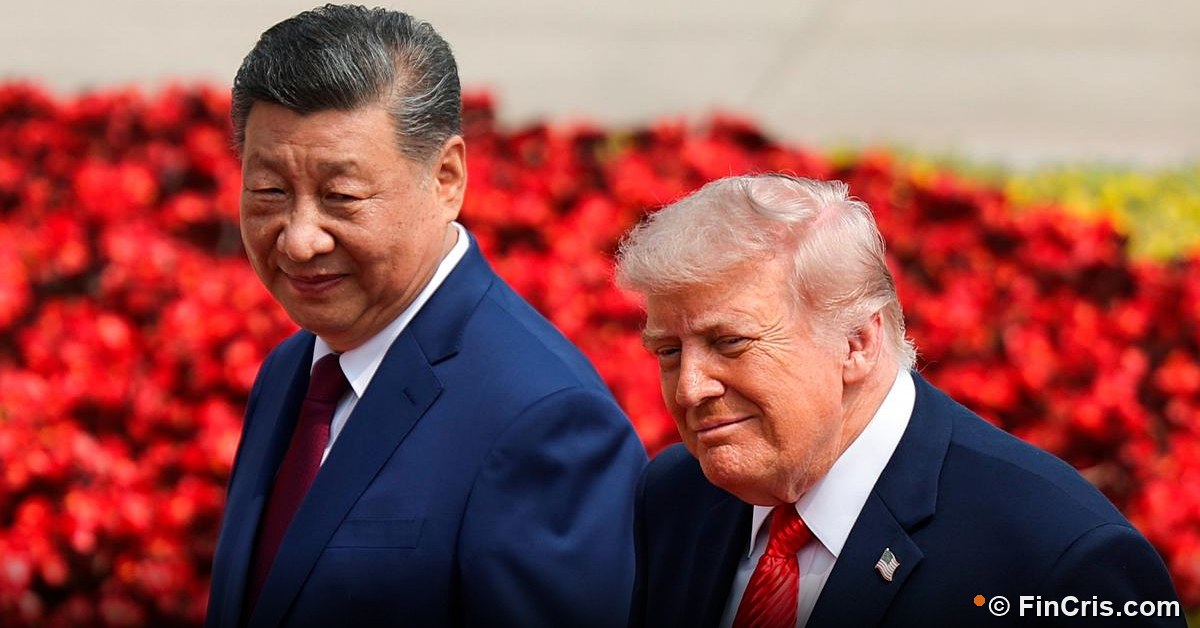
During the recent U.S.-China summit, President Xi Jinping issued a stark warning to President Trump regarding the Taiwan issue. This summit, marked by ceremonial displays, took a serious turn as Xi highlighted that the two nations should be partners rather than rivals. The Taiwan issue, a contentious point for Beijing, was brought up immediately, indicating its significance in the dialogue between the two leaders.
President Xi’s remarks come at a time when tensions surrounding Taiwan have escalated. Taiwan, a self-ruled democratic entity, is claimed by China as its territory. Xi’s emphasis on partnership underscores the delicate balance both nations must maintain to avoid conflict.
🔍 Deep Analysis — What This Really Means
📌 The Big Picture
The U.S.-China summit is not just a meeting of two leaders; it reflects a broader struggle for influence in the Asia-Pacific region. The Taiwan issue is a flashpoint that could escalate into a larger conflict, impacting not just the two countries but also global stability.
🔗 Why Did This Actually Happen
The warning from Xi is rooted in China’s long-standing claim over Taiwan. As Taiwan continues to assert its independence, China views any support from the U.S. as a direct threat. This situation is similar to a game of chess where each move is critical; one wrong step could lead to a checkmate for peace in the region.
As tensions rise, both nations must navigate their relationship carefully. If the U.S. continues to support Taiwan, it could provoke a strong response from China. This dynamic creates a delicate balance that both sides must manage to prevent any miscalculations that could lead to conflict.
📊 By The Numbers
- U.S. Military Presence: Approximately 30,000 troops stationed in Asia, aimed at deterring aggression.
- Trade Volume: Over $600 billion in trade between the U.S. and China, highlighting economic interdependence.
- Military Exercises: China conducted multiple military drills near Taiwan in the past month.
- Public Opinion: Recent polls show over 70% of Taiwanese support maintaining the status quo.
🇮🇳 India-Specific Impact
For India, the U.S.-China dynamics could have significant implications. As tensions rise in the Asia-Pacific, India must carefully assess its own strategic position. Increased military activity in the region may lead to a re-evaluation of defense strategies and alliances. Additionally, any conflict could disrupt trade routes crucial for India, impacting economic stability.
💬 Expert Perspective (Simplified)
Market analysts generally believe that the summit’s outcome will have lasting effects on global markets. The potential for conflict over Taiwan raises concerns about economic stability. Investors should remain vigilant, as any escalation could lead to market volatility, affecting both local and global economies.
What Should Indian Investors Do Now
For SIP Investors:
Continue your SIP investments while keeping an eye on geopolitical developments. Market volatility may create buying opportunities for long-term investors.
For Equity Investors:
Evaluate your exposure to sectors sensitive to geopolitical risks. Consider diversifying your portfolio to mitigate potential impacts from U.S.-China tensions.
For FD / Debt Investors:
You may remain relatively safe, but stay informed about global developments. Consider locking in higher interest rates if available.
What to Watch Next
The geopolitical landscape will be crucial in the coming weeks. Investors should watch for any developments from the U.S.-China summit that could affect market stability.
- 📅 U.S.-China Trade Talks: Any agreements or disagreements could impact market sentiment.
- 📅 Taiwan Military Drills: Observing military exercises will provide insights into regional tensions.
- 📅 Global Economic Indicators: Watch for data releases that could reflect the impact of geopolitical tensions on economies.
🚨 Risk Analysis
Why This is HIGH RISK:
The potential for conflict over Taiwan poses a significant risk to global markets. Any military escalation could lead to disruptions in trade and economic stability. Sectors such as defense and technology may face increased volatility as investors react to developments.
Portfolio Protection Tips:
- Consider reducing exposure to sectors heavily reliant on global supply chains.
- Diversify investments to mitigate risks associated with geopolitical tensions.
- Maintain a portion of your portfolio in cash or liquid assets to capitalize on market opportunities.
Frequently Asked Questions
Q: What does the U.S.-China summit mean for investors?
A: The summit highlights ongoing tensions that could impact global markets. Investors should stay informed and consider the potential for volatility.
Q: How does the Taiwan issue affect India?
A: Increased tensions in the Asia-Pacific could lead to strategic reassessments for India, impacting defense and trade.
Q: Should I change my investment strategy due to geopolitical tensions?
A: It may be wise to evaluate your portfolio and consider diversification to manage risk associated with geopolitical events.
Q: What sectors are most affected by U.S.-China relations?
A: Sectors like technology, defense, and manufacturing may experience increased volatility due to geopolitical tensions.
The U.S.-China summit emphasizes the delicate balance of global relations, particularly regarding Taiwan. Investors should remain vigilant and consider the implications of geopolitical tensions on their portfolios. Staying informed and adaptable will be key to navigating potential market volatility.
⚠️ Disclaimer: This article is for informational purposes only and does not constitute financial advice. Content is AI-assisted and enhanced from original publisher sources. Please consult a SEBI registered financial advisor before making any investment decisions. Past performance is not indicative of future results.