Risk Triggers: war, conflict
- Xi Jinping warns Trump that Taiwan tensions could lead to conflict.
- Both leaders emphasize the need for partnership over rivalry.
- China claims Taiwan as its territory, raising stakes in U.S.-China relations.
- Investors should monitor geopolitical developments closely.
📰 Source: The Hindu | 🤖 AI-Enhanced with FinCris Intelligence
What Happened
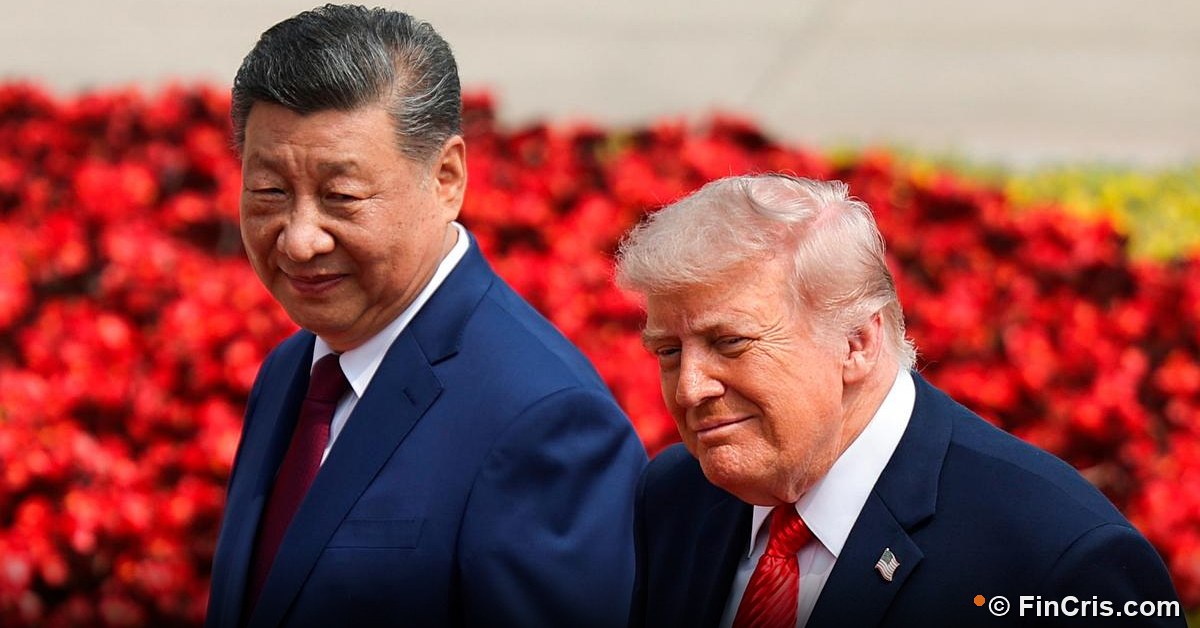
During a recent summit, President Xi Jinping of China warned President Donald Trump about the potential for conflict over Taiwan. This issue is particularly sensitive as Taiwan is a self-ruled democratic island that China claims as part of its territory. Xi’s remarks came immediately after a warm welcome for Trump, indicating the seriousness of the topic at hand.
The meeting aimed to strengthen bilateral relations, but Xi’s cautionary tone highlighted the underlying tensions that exist between the two nations. Both leaders expressed a desire to be partners rather than rivals, yet the Taiwan issue looms large in their discussions.
🔍 Deep Analysis — What This Really Means
📌 The Big Picture
The U.S.-China summit is not just a meeting of two leaders; it reflects a critical juncture in global politics. The Taiwan issue represents a flashpoint that could escalate into broader conflict, affecting not only these two nations but also global markets and geopolitical stability.
🔗 Why Did This Actually Happen
Tensions over Taiwan have been rising for years. China views Taiwan as a breakaway province that must be reunified with the mainland, while Taiwan sees itself as a sovereign nation. When Xi warns Trump about potential conflict, he is signaling that any perceived U.S. support for Taiwan could provoke a military response from China. This is similar to a game of chess where each move is carefully calculated, and one wrong step could lead to a major confrontation.
The stakes are high. Just like in a high-stakes poker game, both sides are bluffing, trying to gauge each other’s intentions. If the U.S. continues to support Taiwan militarily or politically, it could lead to a showdown, which is a risk that investors should not overlook.
📊 By The Numbers
- U.S. military presence: Increased naval operations in the Taiwan Strait.
- China’s military drills: Ongoing exercises near Taiwan, escalating tensions.
- Trade impact: U.S.-China trade worth over $600 billion at stake.
- Global market volatility: Increased uncertainty could lead to fluctuations in stock markets worldwide.
🇮🇳 India-Specific Impact
For Indian investors, the U.S.-China summit and the Taiwan issue could have significant implications. Any escalation in tensions may lead to increased volatility in global markets, affecting India’s stock indices like the Sensex and Nifty. Furthermore, India has its own strategic interests in the region, and heightened conflict could impact trade routes and economic stability.
💬 Expert Perspective (Simplified)
Market experts generally believe that the Taiwan issue is a critical flashpoint in U.S.-China relations. If tensions escalate, it could lead to broader economic repercussions. Investors are advised to stay informed about geopolitical developments, as they can impact market sentiment significantly.
What Should Indian Investors Do Now
For SIP Investors:
Continue your SIPs but remain vigilant. Geopolitical tensions can create short-term volatility, but staying invested is crucial for long-term growth.
For Equity Investors:
Monitor your portfolio closely. If you have exposure to sectors sensitive to geopolitical risks, consider diversifying to mitigate potential losses.
For FD / Debt Investors:
You may remain relatively safe, but keep an eye on interest rates. If tensions escalate, it could impact economic stability and subsequently affect fixed income returns.
What to Watch Next
Investors should keep an eye on upcoming developments regarding U.S.-China relations and the Taiwan issue.
- 📅 Upcoming U.S.-China Trade Talks: These will be critical in determining the future of trade relations.
- 📅 Military Exercises in the Taiwan Strait: Watch for any escalations or provocations from either side.
- 📅 Global Economic Data Releases: Economic indicators may reflect the impact of geopolitical tensions.
🚨 Risk Analysis
Why This is HIGH RISK:
The potential for conflict over Taiwan poses a significant risk to global markets. Sectors such as technology and defense could be particularly impacted. Investors must be aware of the possibility of heightened volatility and market reactions to geopolitical news.
Portfolio Protection Tips:
- Consider diversifying your investments to reduce exposure to geopolitical risks.
- Stay informed about global news and its potential impact on markets.
- Maintain a portion of your portfolio in safer assets to hedge against volatility.
Frequently Asked Questions
Q: What does the Taiwan issue mean for investors?
A: The Taiwan issue represents a significant geopolitical risk that could impact global markets. Investors should stay informed and be prepared for potential volatility.
Q: Should I sell my investments due to U.S.-China tensions?
A: Generally, it’s advisable not to panic sell. Focus on long-term investment strategies and consider diversifying to mitigate risks.
Q: How can I protect my portfolio from geopolitical risks?
A: Diversification is key. Consider spreading investments across different sectors and asset classes to reduce exposure to any single event.
Q: What are the signs of escalating tensions between the U.S. and China?
A: Increased military activity in the Taiwan Strait and harsh rhetoric from both governments are signs that tensions may be rising.
The U.S.-China summit underscores the critical nature of the Taiwan issue, which poses risks for global markets. Investors should remain vigilant, monitor geopolitical developments, and consider diversifying their portfolios to protect against potential market volatility.
⚠️ Disclaimer: This article is for informational purposes only and does not constitute financial advice. Content is AI-assisted and enhanced from original publisher sources. Please consult a SEBI registered financial advisor before making any investment decisions. Past performance is not indicative of future results.