Risk Triggers: sanctions, concern
- Jaishankar criticized unilateral coercive measures and sanctions.
- He stated these measures disproportionately affect developing countries.
- Emphasized the importance of diplomacy over sanctions.
- Called for a sustained ceasefire in Gaza and a two-state solution.
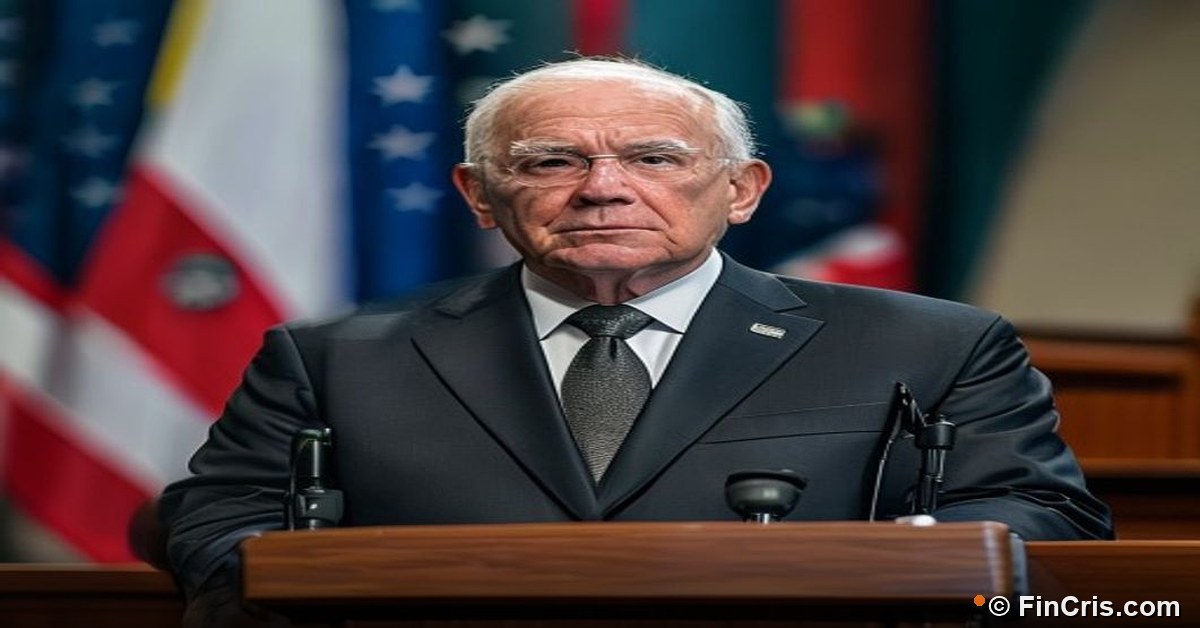
📰 Source: Times of India | 🤖 AI-Enhanced with FinCris Intelligence
What Happened
External Affairs Minister S. Jaishankar made significant remarks regarding international relations, particularly addressing the issue of unilateral sanctions. He pointed out that these coercive measures often disproportionately harm developing nations, undermining their growth and stability. Jaishankar emphasized that such actions cannot replace the essential role of diplomacy in resolving international conflicts.
His comments came in the backdrop of ongoing tensions in West Asia, where he expressed concern over the humanitarian crisis in Gaza. He highlighted the urgent need for uninterrupted maritime traffic in the region and a sustained ceasefire to alleviate the suffering of civilians caught in the conflict.
🔍 Deep Analysis — What This Really Means
📌 The Big Picture
Jaishankar’s remarks resonate with a growing sentiment among many nations that unilateral sanctions can lead to more harm than good. This is not just a critique of the US but reflects a broader call for a more equitable approach to international relations, especially concerning developing countries.
🔗 Why Did This Actually Happen
The pushback against unilateral sanctions stems from their historical impact. When one country imposes sanctions, it often disrupts trade and economic stability in the targeted nation. For instance, countries like Iran and Venezuela have faced crippling sanctions that have led to economic crises, affecting millions of innocent civilians.
Think of it like a teacher punishing a whole class for the misbehavior of a few students. The innocent ones suffer, while the guilty remain unchanged. This analogy illustrates how sanctions can hurt the very people they intend to protect.
📊 By The Numbers
- Sanctioned countries: Over 30 nations currently face various forms of international sanctions.
- Economic impact: Countries under sanctions often see GDP drops of 10-20%.
- Humanitarian crises: Millions in sanctioned countries suffer from lack of basic necessities.
- Gaza conflict: Over 2 million people affected by the ongoing crisis in Gaza.
🇮🇳 India-Specific Impact
For India, Jaishankar’s stance on sanctions aligns with its foreign policy of non-interference and support for multilateral dialogue. As a developing nation, India understands the detrimental effects of sanctions on economic growth. Moreover, the ongoing crisis in Gaza poses challenges for India’s diplomatic relations in the Middle East, a region crucial for energy security and trade.
💬 Expert Perspective (Simplified)
Market analysts suggest that Jaishankar’s comments reflect a strategic shift towards advocating for a more collaborative international approach. They believe that a focus on diplomacy rather than coercive measures could foster better relations and stability in the region, which is essential for India’s own economic interests.
What Should Indian Investors Do Now
For SIP Investors:
Continue your SIP investments. The current geopolitical environment emphasizes the importance of long-term investment strategies, as markets may react to international tensions.
For Equity Investors:
Monitor developments in international relations closely. Consider sectors that may benefit from diplomatic resolutions, such as infrastructure and energy.
For FD / Debt Investors:
Remain cautious. While fixed deposits are relatively safe, be aware of inflationary pressures that may arise from geopolitical tensions.
What to Watch Next
Investors should keep an eye on upcoming international summits and discussions regarding sanctions and diplomatic relations, as these could significantly impact market sentiments.
- 📅 Upcoming UN General Assembly: Discussions on global security and sanctions.
- 📅 India-West Asia Dialogue: Key talks on regional stability.
- 📅 International Economic Forum: Focus on trade relations and sanctions impact.
🚨 Risk Analysis
Why This is HIGH RISK:
The ongoing geopolitical tensions, particularly around sanctions, pose significant risks to global markets. Sectors like oil and gas, which are sensitive to Middle East stability, could face volatility. Additionally, any escalation in the Gaza conflict may lead to broader regional instability, affecting investor confidence.
Portfolio Protection Tips:
- Diversify investments to mitigate risks associated with specific sectors.
- Consider allocating funds to defensive stocks that are less affected by geopolitical tensions.
- Maintain a portion of your portfolio in cash to take advantage of market corrections.
Frequently Asked Questions
Q: What are unilateral sanctions?
A: Unilateral sanctions are penalties imposed by one country on another without the support of international organizations. They often aim to influence the targeted country’s behavior.
Q: How do sanctions affect developing countries?
A: Sanctions can severely impact developing countries by disrupting trade, causing economic instability, and leading to humanitarian crises.
Q: What is the two-state solution?
A: The two-state solution refers to a proposed resolution to the Israeli-Palestinian conflict, envisioning an independent State of Palestine alongside the State of Israel.
Q: Why is diplomacy important in international relations?
A: Diplomacy is crucial as it helps resolve conflicts peacefully, fosters cooperation, and builds trust between nations, which is essential for global stability.
Jaishankar’s comments on sanctions highlight the importance of diplomacy over coercion in international relations. For Indian investors, this underscores the need to remain vigilant and adaptable in a rapidly changing geopolitical landscape, especially as developments in West Asia can significantly impact market dynamics.
⚠️ Disclaimer: This article is for informational purposes only and does not constitute financial advice. Content is AI-assisted and enhanced from original publisher sources. Please consult a SEBI registered financial advisor before making any investment decisions. Past performance is not indicative of future results.