Risk Triggers: war
- Iran’s Foreign Minister Abbas Araghchi spoke on the implications of US military actions.
- He described the situation as a ‘lose-lose proposition’ for all parties involved.
- Araghchi emphasized the need for diplomatic solutions over military interventions.
- The BRICS meeting highlighted growing concerns about international conflicts and their economic impacts.
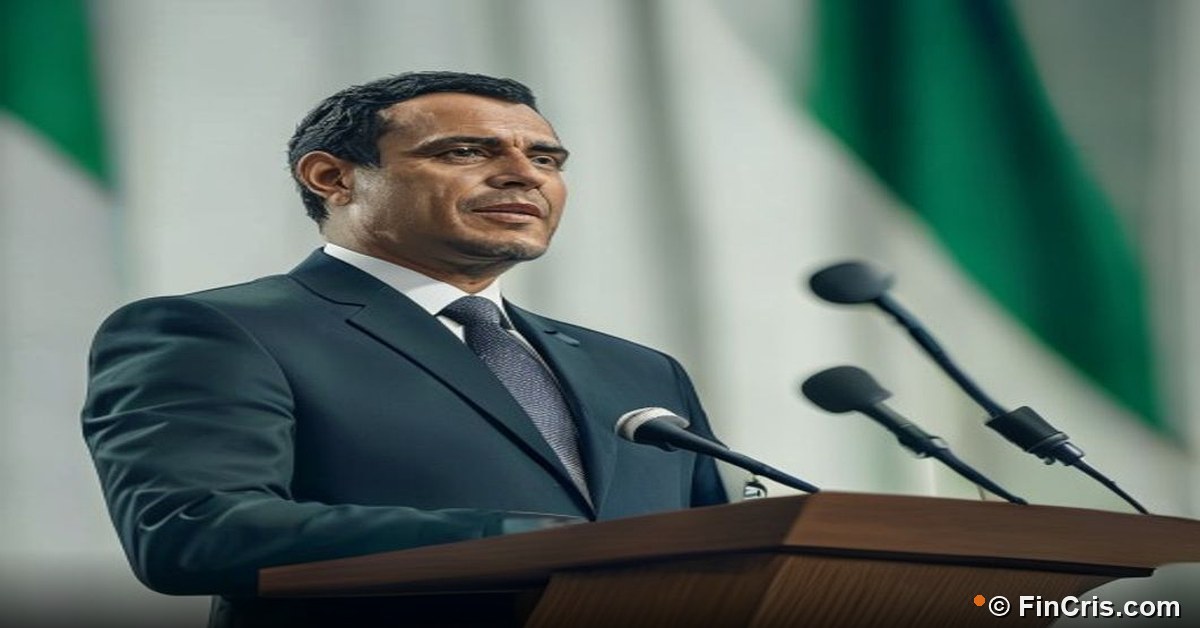
📰 Source: NDTV Profit | 🤖 AI-Enhanced with FinCris Intelligence
What Happened
During the recent BRICS meeting held in Delhi, Iranian Foreign Minister Abbas Araghchi addressed the implications of US military actions in the region. He characterized the ongoing situation as a ‘lose-lose proposition’ for all sides involved. Araghchi’s remarks reflect Iran’s ongoing concerns regarding US foreign policy and its impact on global stability.
His comments come amid increasing tensions and military engagements that have far-reaching consequences for international relations and economic stability. Araghchi’s focus on diplomacy highlights a critical need for dialogue in addressing these complex issues.
🔍 Deep Analysis — What This Really Means
📌 The Big Picture
Araghchi’s comments at the BRICS meeting underscore a growing unease among nations regarding the consequences of US military interventions. This sentiment is not limited to Iran but resonates with many countries that see such actions as detrimental to global peace and economic stability.
🔗 Why Did This Actually Happen
The recent escalation of US military involvement in various regions has prompted reactions from countries like Iran. Araghchi’s remarks highlight the belief that military solutions often lead to further conflict and suffering. This is akin to trying to extinguish a fire with gasoline — it only makes things worse.
When nations engage in military actions, they often create a cycle of retaliation and instability. For instance, US interventions have historically led to increased tensions and conflicts in the Middle East, affecting not just the countries involved but also global economic conditions.
📊 By The Numbers
Here are some key points related to the ongoing situation:
- US Military Spending: Over $700 billion annually, impacting global financial markets.
- Conflict Zones: Increased tensions in the Middle East, affecting oil prices and global supply chains.
- BRICS Economic Impact: Member countries are concerned about the economic fallout from military conflicts.
🇮🇳 India-Specific Impact
For India, the implications of US military actions are significant. As a major player in BRICS, India is impacted by rising oil prices due to conflicts in the Middle East. This can lead to inflationary pressures domestically, affecting everything from transportation costs to consumer goods.
Moreover, India’s economic ties with Iran and other nations in conflict zones highlight the need for diplomatic solutions. A stable geopolitical environment is crucial for India’s economic growth and energy security.
💬 Expert Perspective (Simplified)
Analysts generally believe that the remarks made by Araghchi reflect a broader concern among nations regarding the effectiveness of military interventions. Historical patterns suggest that diplomatic solutions tend to yield better long-term outcomes compared to military actions, which often exacerbate tensions.
What Should Indian Investors Do Now
For SIP Investors:
Continue your systematic investment plans. Focus on long-term goals and avoid reacting to short-term geopolitical tensions.
For Equity Investors:
Monitor geopolitical developments closely. Consider diversifying your portfolio to mitigate risks associated with international conflicts.
For FD / Debt Investors:
Remain cautious with investments. High levels of uncertainty may affect interest rates and returns on fixed deposits.
What to Watch Next
As the situation evolves, investors should keep an eye on upcoming diplomatic talks and international responses to US military actions.
- 📅 Next BRICS Meeting: Potential discussions on economic impacts of conflicts.
- 📅 US Policy Announcements: Any changes in US military strategy could shift market sentiments.
- 📅 Geopolitical Developments: Watch for any escalation in tensions that could affect global markets.
Frequently Asked Questions
Q: What does ‘lose-lose proposition’ mean in this context?
A: It refers to a situation where all parties involved suffer negative consequences, highlighting the futility of military interventions.
Q: How can US military actions affect global markets?
A: Increased military actions can lead to instability, affecting oil prices and investor confidence, which in turn impacts global markets.
Q: Should I be worried about investing during geopolitical tensions?
A: While it’s natural to feel concerned, maintaining a long-term perspective and diversifying your investments can help manage risks.
Q: What are the implications for India regarding US actions?
A: US military actions can lead to higher oil prices, impacting inflation and economic stability in India, necessitating careful monitoring.
The discussions at the BRICS meeting highlight the importance of diplomatic solutions over military interventions. For Indian investors, staying informed about geopolitical developments and maintaining a diversified portfolio will be crucial in navigating potential market volatility.
⚠️ Disclaimer: This article is for informational purposes only and does not constitute financial advice. Content is AI-assisted and enhanced from original publisher sources. Please consult a SEBI registered financial advisor before making any investment decisions. Past performance is not indicative of future results.