Risk Triggers: war
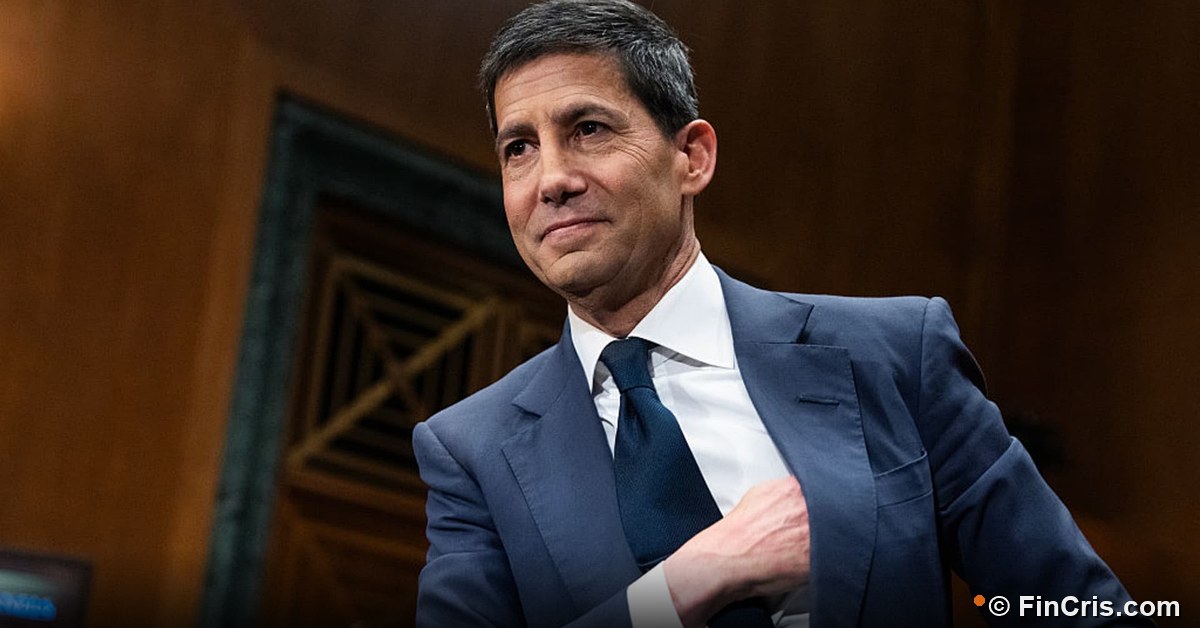
- Kevin Warsh confirmed as Fed chair with a historic vote margin
- This change in leadership comes amid rising global tensions
- Warsh’s approach could impact US monetary policy significantly
- Watch for potential effects on Indian markets and interest rates
📰 Source: CNBC Finance | 🤖 AI-Enhanced with FinCris Intelligence
What Happened
Kevin Warsh has been confirmed as the next chair of the Federal Reserve, succeeding Jerome Powell. This confirmation came through a highly contentious Senate vote, marking one of the most divisive moments in the Fed’s history. Warsh, who is 56 years old, has a background in economics and previously served as a Fed governor.
The vote reflects significant political divisions in the U.S., as many senators expressed strong opinions about Warsh’s potential policies. His confirmation is expected to influence the direction of U.S. monetary policy, particularly as the country faces challenges such as inflation and geopolitical tensions.
🔍 Deep Analysis — What This Really Means
📌 The Big Picture
Warsh’s confirmation is not just a personnel change; it’s a response to broader economic concerns. The Federal Reserve plays a crucial role in managing inflation and economic growth in the U.S., and Warsh’s policies could have ripple effects globally, including in India.
🔗 Why Did This Actually Happen
The Senate vote was deeply split due to differing views on how the Fed should tackle current economic challenges. Some senators worry that Warsh may take a more aggressive stance on interest rates, which could impact borrowing costs for businesses and consumers. Think of it like a tug-of-war: one side wants to pull interest rates down to stimulate growth, while the other fears inflation and wants to pull them up.
When tensions rise globally, such as conflicts or trade wars, it often leads to cautious monetary policies. Warsh’s leadership will need to navigate these complexities carefully.
📊 By The Numbers
Here are some key figures that illustrate the current economic context:
- Inflation rate: Currently at 5.4% in the U.S.
- Interest rate expectations: Projected to rise by 0.25% in the next Fed meeting
- Global tensions: Increased military conflicts affecting trade
- Market reaction: Initial positive response from U.S. markets to Warsh’s confirmation
🇮🇳 India-Specific Impact
For Indian investors, Warsh’s confirmation could mean changes in interest rates that affect borrowing costs. If the U.S. raises rates, it could strengthen the dollar, making imports more expensive for India and potentially impacting the rupee. This scenario could lead to higher inflation in India, affecting everything from fuel prices to consumer goods.
💬 Expert Perspective (Simplified)
Market analysts generally believe that Warsh’s confirmation signals a shift towards a more hawkish (aggressive) monetary policy. This could mean higher interest rates in the U.S., which may lead to tighter financial conditions globally. Investors should prepare for potential volatility in both U.S. and Indian markets as Warsh implements his policies.
What Should Indian Investors Do Now
For SIP Investors:
Continue your SIPs as usual. Market fluctuations are normal, and maintaining your investment strategy is key to long-term growth.
For Equity Investors:
Stay informed about changes in U.S. monetary policy. Consider diversifying your portfolio to mitigate risks associated with rising interest rates.
For FD / Debt Investors:
Keep an eye on interest rate trends. If rates rise, consider locking in current rates for fixed deposits to secure better returns.
What to Watch Next
Investors should monitor upcoming economic indicators and Fed meetings closely, as these will provide insight into Warsh’s policies and their impact.
- 📅 Next Fed Meeting: Scheduled for [insert date], will reveal Warsh’s initial policy direction
- 📅 Inflation Reports: Upcoming data on inflation trends will be critical to watch
- 📅 Global Economic Indicators: Geopolitical events that may influence market stability
Frequently Asked Questions
Q: What does Kevin Warsh’s confirmation mean for the economy?
A: Warsh’s confirmation could lead to tighter monetary policies, impacting interest rates and inflation in the U.S. This, in turn, may affect global markets, including India.
Q: Should I adjust my investments now that Warsh is confirmed?
A: It may be wise to review your investment strategy and ensure it aligns with potential changes in interest rates. Diversification can help manage risks.
Q: How will Warsh’s policies affect Indian markets?
A: If the U.S. raises interest rates, it could strengthen the dollar and lead to higher costs for imports in India, impacting inflation and consumer prices.
Q: What should I do if I am concerned about rising rates?
A: Consider consulting with a financial advisor to discuss strategies for protecting your investments against potential rate hikes.
Kevin Warsh’s confirmation as Fed chair could lead to significant changes in U.S. monetary policy, impacting interest rates and inflation globally. Indian investors should stay informed and consider adjusting their strategies to navigate potential market volatility.
⚠️ Disclaimer: This article is for informational purposes only and does not constitute financial advice. Content is AI-assisted and enhanced from original publisher sources. Please consult a SEBI registered financial advisor before making any investment decisions. Past performance is not indicative of future results.