Risk Triggers: war, shortage, concern
- Trump’s visit to China highlighted the country’s military advancements.
- The US is experiencing significant munitions shortages.
- China’s defense industry is operating at a wartime pace, focusing on drones and AI.
- The ongoing tensions regarding Taiwan are a major concern for global stability.
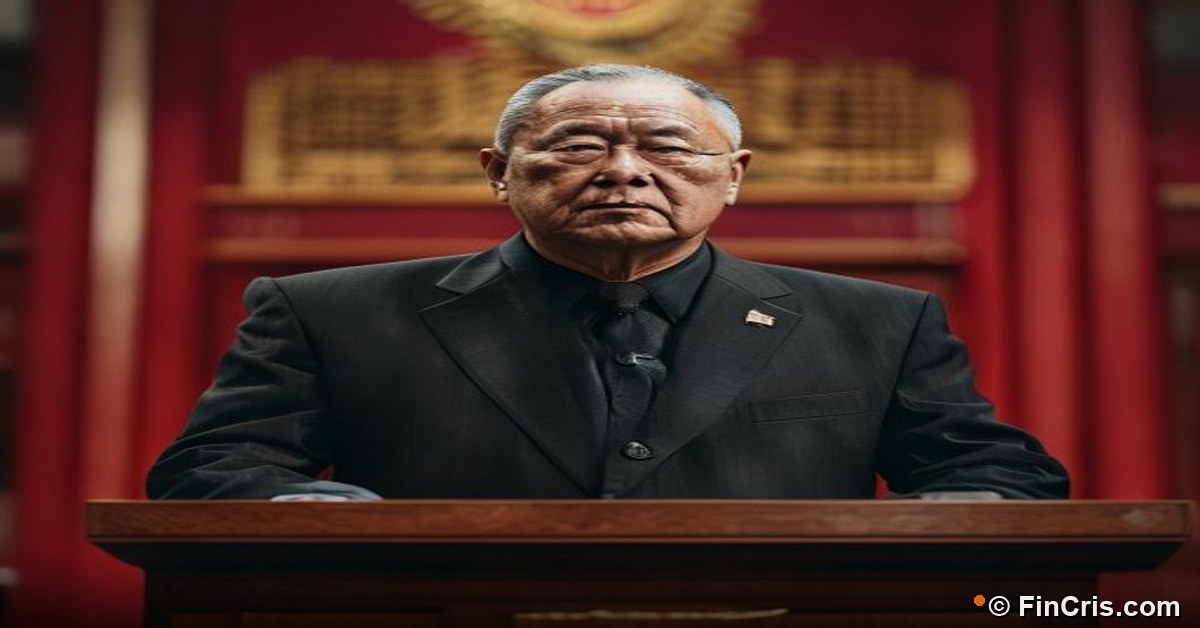
📰 Source: Times of India | 🤖 AI-Enhanced with FinCris Intelligence
What Happened
During President Trump’s recent visit to Beijing, he observed China’s impressive military capabilities, signaling a significant shift in global power dynamics. This visit comes at a crucial time when the United States is grappling with munitions shortages and slow production rates. Meanwhile, China’s defense industry is operating at an unprecedented wartime pace, excelling in areas such as drones, artificial intelligence, and satellite technology.
The implications of this visit are profound, particularly in the context of rising tensions surrounding Taiwan. As both nations navigate this evolving geopolitical landscape, the competition for global dominance is becoming increasingly apparent.
🔍 Deep Analysis — What This Really Means
📌 The Big Picture
This visit is not just about a singular event; it reflects a larger trend of shifting power dynamics. As the US faces internal challenges, including production delays and resource shortages, China is rapidly modernizing its military capabilities. This shift could redefine alliances and influence in Asia and beyond.
🔗 Why Did This Actually Happen
The root cause of this situation stems from the increasing military assertiveness of China in the Asia-Pacific region. As China invests heavily in its defense sector, it has been able to produce advanced military technologies at a remarkable speed. In contrast, the US is struggling with supply chain issues and a lag in defense production.
Think of it like a race where one runner is sprinting ahead while the other is stuck in traffic. This disparity in military readiness could lead to heightened tensions, particularly regarding Taiwan, where both nations have conflicting interests.
📊 By The Numbers
- US Munitions Shortage: Estimated at 20% below required levels for current military engagements.
- China’s Defense Spending: Increased by 10% year-on-year, reaching approximately $250 billion.
- Drone Production: China has doubled its drone manufacturing capacity in the past year.
- AI Integration: Over 50% of China’s military projects now incorporate AI technologies.
- Taiwan Tensions: Increased military drills conducted by China near Taiwan, sparking international concern.
🇮🇳 India-Specific Impact
For India, this shift in military dynamics poses both challenges and opportunities. As China strengthens its military presence, India may need to reassess its own defense strategies and alliances. The potential for increased military conflict in the region could lead to heightened security concerns for India, especially regarding its borders.
💬 Expert Perspective (Simplified)
Market analysts generally believe that this evolving situation could lead to a realignment of global power structures. The focus on military capabilities, especially in technology and innovation, will become crucial for nations like India. Maintaining a strong defense posture will be essential to navigate these challenges.
What Should Indian Investors Do Now
For SIP Investors:
Continue your SIP investments. The current geopolitical uncertainties could lead to market volatility, but staying invested can help mitigate risks over the long term.
For Equity Investors:
Be cautious with investments in sectors heavily reliant on defense contracts. Monitor developments closely and consider diversifying your portfolio to include sectors less impacted by geopolitical tensions.
For FD / Debt Investors:
If you are in fixed deposits or debt funds, you may remain insulated from immediate market volatility. However, keep an eye on interest rates and inflation trends as they could impact your returns.
What to Watch Next
As the global situation evolves, several key events will shape the future landscape.
- 📅 Upcoming US-China Trade Talks: Any agreements or disagreements will significantly impact market sentiments.
- 📅 Taiwan Military Drills: China’s military exercises around Taiwan will be closely monitored for escalations.
- 📅 Global Defense Spending Reports: Trends in global defense budgets will indicate shifts in military priorities.
Frequently Asked Questions
Q: What does Trump’s visit to China mean for global security?
A: Trump’s visit underscores the rising military capabilities of China and highlights the need for nations to reassess their defense strategies in response to shifting power dynamics.
Q: How does China’s military strength affect India?
A: China’s military advancements could pose security challenges for India, prompting a reevaluation of defense policies and alliances in the region.
Q: Should investors be worried about geopolitical tensions?
A: While geopolitical tensions can lead to market volatility, maintaining a diversified portfolio and long-term investment strategy can help mitigate risks.
Q: What sectors are likely to be impacted by these developments?
A: Sectors related to defense contracts and technology may experience fluctuations due to increased military focus and geopolitical tensions.
The recent developments during Trump’s visit to China highlight a critical shift in global military dynamics. For Indian investors, staying informed and maintaining a diversified portfolio will be essential in navigating the potential impacts of these geopolitical changes on market stability.
⚠️ Disclaimer: This article is for informational purposes only and does not constitute financial advice. Content is AI-assisted and enhanced from original publisher sources. Please consult a SEBI registered financial advisor before making any investment decisions. Past performance is not indicative of future results.