Risk Triggers: war, conflict
- Xi Jinping warned Trump about potential clashes over Taiwan if mishandled
- This summit marks the first visit by a sitting US president to China in nearly a decade
- Investors should monitor the implications for US-China relations and global markets
- Key insights from Bloomberg Daybreak Europe for European investors
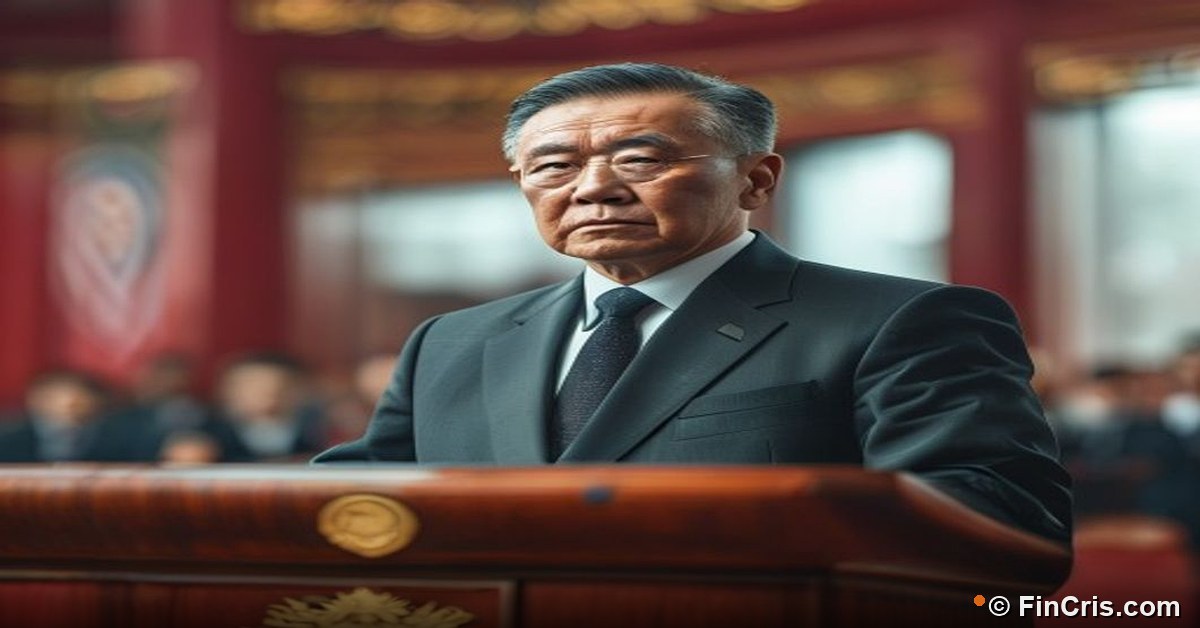
📰 Source: Bloomberg | 🤖 AI-Enhanced with FinCris Intelligence
What Happened
During the recent Trump-Xi summit, Chinese President Xi Jinping issued a stern warning to US President Donald Trump regarding the Taiwan issue. He emphasized the potential for serious clashes if the situation is not managed carefully. This summit is particularly significant as it is the first visit by a sitting US president to China in nearly ten years, making the stakes even higher.
The meeting began on a cordial note, but Xi’s remarks highlighted the underlying tensions between the two nations, particularly regarding Taiwan, which China considers a breakaway province. The implications of this discussion could affect not only bilateral relations but also global market dynamics.
🔍 Deep Analysis — What This Really Means
📌 The Big Picture
The warning from Xi Jinping is a reflection of the ongoing geopolitical tensions between the US and China. This is not just about Taiwan; it represents a broader struggle for influence in the Asia-Pacific region. Investors should recognize that these tensions can lead to significant market volatility.
🔗 Why Did This Actually Happen
The Taiwan issue has been a longstanding point of contention between the US and China. As the US continues to strengthen its ties with Taiwan, China views this as a direct threat to its sovereignty. Xi’s warning serves as a reminder that mismanagement of this issue could lead to escalated military tensions.
Think of it like a game of chess; if one player makes a move that the other perceives as aggressive, it can lead to a series of counter-moves that escalate the situation. In this case, a misstep regarding Taiwan could trigger a cascade of diplomatic and military responses.
📊 By The Numbers
- Risk Score: 32 indicating high risk of conflict
- Market Reaction: Potential volatility in global markets as investors react to tensions
- US-China Trade: Trade worth over $600 billion at stake
- Military Presence: Increased military exercises in the Taiwan Strait
- Investor Sentiment: Heightened caution among investors regarding Asia-Pacific investments
🇮🇳 India-Specific Impact
For Indian investors, the rising tensions between the US and China could lead to increased volatility in the stock markets. The Sensex and Nifty may react negatively to any escalation in conflict, especially if it affects trade routes or global supply chains. Additionally, sectors such as IT and manufacturing that rely on exports could face challenges.
💬 Expert Perspective (Simplified)
Market experts generally believe that the warning from Xi Jinping underscores the fragility of US-China relations. If tensions escalate, it could lead to a shift in investment strategies, with investors seeking safer assets. Historically, periods of geopolitical tension often result in increased market volatility, and this situation is no different.
What Should Indian Investors Do Now
For SIP Investors:
Continue your SIPs, as they provide a systematic way to invest over time. Market volatility can lead to better buying opportunities for long-term investors.
For Equity Investors:
Stay cautious and monitor the geopolitical situation closely. Consider diversifying your portfolio to mitigate risks associated with potential conflicts.
For FD / Debt Investors:
You may remain relatively safe, but keep an eye on interest rates and inflation, which could be affected by global tensions.
What to Watch Next
Investors should keep a close watch on upcoming developments in US-China relations, particularly regarding Taiwan.
- 📅 Next US-China Meeting: Any further discussions on Taiwan will be crucial
- 📅 Global Market Reactions: Watch for shifts in investor sentiment in response to tensions
- 📅 Military Movements: Monitor any changes in military presence in the Taiwan Strait
🚨 Risk Analysis
Why This is HIGH RISK:
The potential for conflict over Taiwan poses a significant risk to global markets. Should tensions escalate, sectors like technology and manufacturing could face severe disruptions. Investors should be aware of the geopolitical landscape as it can lead to unexpected market movements.
Portfolio Protection Tips:
- Consider reducing exposure to sectors heavily reliant on US-China trade
- Increase holdings in defensive stocks that are less affected by geopolitical tensions
- Maintain liquidity to take advantage of potential market corrections
Frequently Asked Questions
Q: What should I do if tensions rise between the US and China?
A: Stay informed and consider diversifying your investments to mitigate risks. Avoid panic selling.
Q: How will the Taiwan issue affect global markets?
A: Increased tensions can lead to market volatility, affecting investor sentiment and stock prices.
Q: Is it safe to invest in Asian markets now?
A: While there are risks, long-term investors may find opportunities during market corrections. Consider your risk tolerance.
Q: What sectors are likely to be impacted by US-China tensions?
A: Technology and manufacturing sectors are particularly vulnerable due to their reliance on global supply chains.
The warning from Xi Jinping during the Trump-Xi summit highlights the fragile nature of US-China relations, particularly regarding Taiwan. Investors should remain cautious and consider diversifying their portfolios to manage risks associated with potential conflicts. Staying informed and maintaining a long-term perspective is key during these uncertain times.
⚠️ Disclaimer: This article is for informational purposes only and does not constitute financial advice. Content is AI-assisted and enhanced from original publisher sources. Please consult a SEBI registered financial advisor before making any investment decisions. Past performance is not indicative of future results.